Key Takeaways
- NCT06506019 is a Phase 1 trial examining psilocybin’s neurobiological effects in treatment-resistant bipolar II depression, a population historically excluded from psychedelic research.
- The study uses fMRI imaging to measure brain connectivity changes before and after psilocybin administration—focused on mechanism, not just symptom scores.
- Registry status shows “active, not recruiting” as of August 2025, meaning enrollment is complete and the study is in its treatment or follow-up phase.
- Bipolar patients have been excluded from most psilocybin trials due to concerns about manic switching; this study is designed to gather safety data on that question.
- This is early-phase research—no approved treatment exists, and psilocybin remains a Schedule I controlled substance under federal law.
Most psilocybin depression research has drawn a hard line: bipolar disorder excluded. The rationale has been safety—concerns about triggering mania in a population already prone to mood cycling. But a small trial now underway at a single site is designed to cross that line carefully, using neuroimaging to track what psilocybin actually does inside the bipolar brain. Here’s what the registry record shows, what it doesn’t, and why the study design matters.
What Is This Trial Actually Studying?
NCT06506019 is a Phase 1 open-label study examining psilocybin’s neurobiological effects in adults with treatment-resistant bipolar II depression. The trial uses functional MRI to measure changes in brain connectivity—specifically looking at default mode network activity and amygdala-prefrontal coupling before and after a single psilocybin session.
The primary outcome isn’t a depression-score questionnaire, though those are collected too. It’s imaging data: researchers want to see whether psilocybin produces the same connectivity changes in bipolar patients that previous studies have observed in major depressive disorder. This is mechanism-first research. The question isn’t just “did symptoms improve?” but “what happened in the brain, and is it different in this population?”
According to the ClinicalTrials.gov registry entry, the study is single-arm—everyone receives psilocybin, no placebo group. That’s typical for early-phase safety and feasibility work. The sample size is small, which limits statistical power but is standard for a first-in-population neuroimaging study.
Why Has Bipolar Depression Been Excluded From Psilocybin Research?
Nearly every major psilocybin depression trial—from the Compass Pathways Phase 2b to the Usona Institute’s Phase 2—has listed bipolar disorder as an exclusion criterion. The concern is manic switching: psychedelics could theoretically destabilize mood in patients whose neurobiology already trends toward cycling between depressive and manic states.
This isn’t paranoia. Case reports and historical data from the pre-prohibition era include instances of psychedelic-associated mania, though the literature is sparse and causality is hard to establish. The field has erred on the side of caution, which means bipolar patients have been locked out of clinical research even as depression trials have advanced toward Phase 3.
The NCT06506019 trial is designed to start filling that gap. By collecting structured mood assessments alongside neuroimaging, the study can document whether manic symptoms emerge and what brain-state changes, if any, precede them. It’s safety research as much as efficacy research—gathering the data that would either justify or argue against larger bipolar-inclusive trials.
What Does “Active, Not Recruiting” Mean?
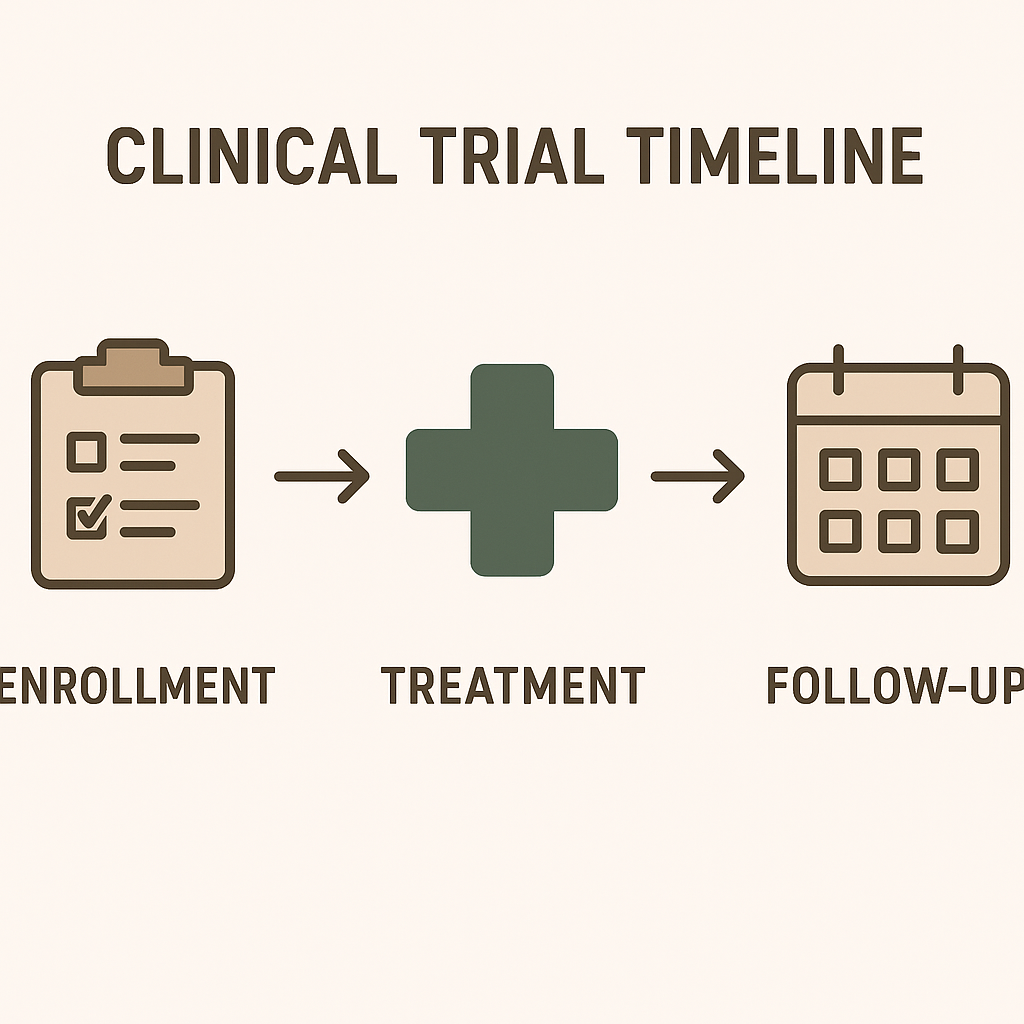
The registry shows the study status updated to “active, not recruiting” as of August 2025. In clinical-trial terminology, this means enrollment is closed—all participants have been screened and accepted—and the study is now in its treatment or follow-up phase.
This status doesn’t tell us how many participants enrolled, whether sessions have been completed, or when results might be published. Those details typically emerge when the study transitions to “completed” status and investigators submit findings to peer review. Given the timeline, results could appear in 2026 or later, depending on follow-up duration and publication cycles.
What the Study Can and Cannot Tell Us
A Phase 1 open-label trial with a small sample and no control group will not produce evidence for or against psilocybin as a bipolar depression treatment. That’s not its purpose. What it can produce is pilot data on three questions: Is psilocybin administration feasible in this population under controlled conditions? Do the neurobiological effects (as measured by fMRI) resemble those seen in unipolar depression? And are there safety signals—particularly manic symptoms—that would shape the design of future studies?
The answers will matter most to researchers designing the next phase. If the data show similar connectivity changes without elevated mania risk, that builds a case for larger, placebo-controlled trials. If safety signals emerge, the field will have documented evidence rather than assumption to guide exclusion criteria going forward.
None of this changes the current regulatory reality. Psilocybin remains a Schedule I controlled substance under federal law. No approved psilocybin therapy exists for any indication in the United States. State-level supervised-use programs—in Oregon and Colorado—do not constitute medical approval and have their own eligibility criteria that typically exclude uncontrolled psychiatric conditions.

What Neuroimaging Adds to Depression Research
Depression trials historically rely on questionnaire scores—the Hamilton Depression Rating Scale, the Montgomery-Åsberg scale, patient-reported outcomes. These matter, but they measure symptoms, not mechanisms. Neuroimaging studies like NCT06506019 add a different layer: they can show whether a treatment changes brain-state patterns associated with depression, independent of whether the patient reports feeling better on a given day.
Previous psilocybin fMRI studies, primarily in major depressive disorder, have documented acute decreases in default mode network connectivity and increased global functional connectivity. Some researchers hypothesize these changes correlate with the “reset” effect patients describe—a loosening of rigid, depressive thought patterns. Whether the same changes occur in bipolar depression, and whether they’re durable, remains unknown.
This trial is positioned to gather that data for the first time in a bipolar population. The results won’t be generalizable on their own, but they’ll establish a baseline for future imaging work and help define what a larger study should measure.
Read more from our science coverage for ongoing updates on psilocybin research and clinical trials.
Frequently Asked Questions
Is psilocybin approved to treat bipolar depression?
No. Psilocybin is not approved by the FDA to treat any condition, including bipolar depression. It remains a Schedule I controlled substance under federal law. The NCT06506019 trial is early-phase research, not a pathway to approved treatment.
Why have bipolar patients been excluded from previous psilocybin trials?
Researchers have excluded bipolar patients due to concerns about manic switching—the possibility that psychedelics could trigger a manic episode in individuals predisposed to mood cycling. This trial is designed to gather safety data on that specific question.
What does the trial measure?
The primary outcomes are neuroimaging-based: fMRI scans measuring brain connectivity changes, particularly in the default mode network and amygdala-prefrontal circuits, before and after psilocybin administration. Depression symptom scales are also collected as secondary outcomes.
When will results be available?
The trial is currently in its treatment or follow-up phase. Results will likely be published after the study completes and data analysis is finished—potentially in 2026 or later, depending on follow-up duration and peer-review timelines.
Can I enroll in this study?
Enrollment is closed. The registry status shows “active, not recruiting,” meaning all participants have already been accepted. Future trials may open enrollment; ClinicalTrials.gov lists ongoing studies with current recruitment status.
Does this research mean psilocybin is safe for people with bipolar disorder?
No. This is a small, early-phase study designed to gather preliminary safety and neuroimaging data. It cannot establish safety for a broader population. Anyone with bipolar disorder should consult a qualified healthcare provider before considering any treatment, including participation in clinical research.
This article is for educational and informational purposes only and is not medical, legal, or cultivation advice. Psilocybin is a Schedule I controlled substance under federal law; decriminalization measures do not authorize sale, and this content does not encourage illegal activity.
These statements have not been evaluated by the Food and Drug Administration. This content is not intended to diagnose, treat, cure, or prevent any disease.
Explore our science library for more reporting on psilocybin research, policy developments, and mycology news.
About the Author
Nick Delesandro — Writer — Mycology & Psychedelic Policy · 20+ years experience
Nick writes about mushroom science and the evolving law and research around psilocybin, reporting from primary sources — clinical trials, agency records, and legislation. His background is in cannabis and horticulture; his mushroom coverage is source-driven reporting, not laboratory or cultivation expertise.