Key Takeaways
- A randomized crossover trial published in the Journal of Psychopharmacology compared three botanical formulations: oral psilocybin, oral psilocin, and sublingual psilocin.
- Sublingual psilocin produced faster onset and reached peak plasma concentrations sooner than either oral formulation in this small healthy-volunteer study.
- Physiological measures — heart rate, blood pressure — differed modestly between routes, offering early data on delivery-method safety profiles.
- Psilocybin remains a Schedule I controlled substance under federal law; this research occurs under strictly regulated conditions that do not apply to the public.
- The study adds granular pharmacokinetic data to a field that has historically treated “psilocybin dose” as a single variable.
Clinical trials involving psilocybin have multiplied over the past five years, but most compare psilocybin against placebo or standard care. Far fewer ask a different question: does the form of the compound — and the route by which it enters the body — change what participants experience? A crossover trial published August 29, 2026, in the Journal of Psychopharmacology offers early answers, comparing oral psilocybin mushroom extract, oral psilocin mushroom extract, and sublingual psilocin in the same set of healthy volunteers.
What Did This Crossover Trial Actually Test?
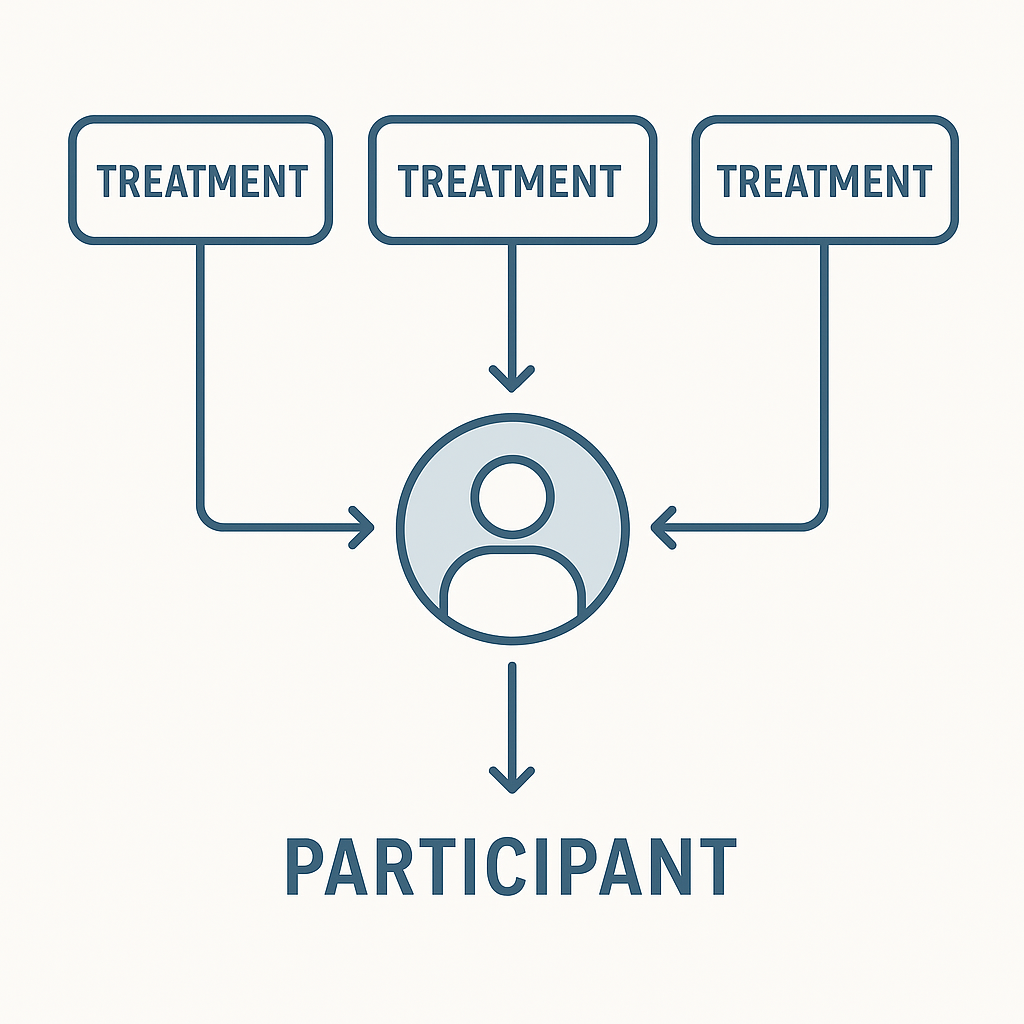
Researchers administered three distinct botanical formulations to each participant across separate sessions, using a randomized crossover design. This means every volunteer experienced all three conditions, serving as their own control and reducing variability caused by individual differences in metabolism or sensitivity.
The three formulations were: (1) oral capsules containing psilocybin-dominant mushroom extract, (2) oral capsules containing psilocin-dominant mushroom extract, and (3) a sublingual psilocin preparation absorbed under the tongue. Doses were standardized by active-compound weight rather than raw mushroom mass. Investigators measured plasma drug concentrations at multiple time points alongside physiological vitals and subjective psychological ratings.
Why does this matter? Psilocybin itself is a prodrug — it converts to psilocin in the body before producing effects. Administering psilocin directly, or via the sublingual route, could theoretically bypass some first-pass liver metabolism and alter onset, duration, or intensity. Until now, most human data assumed a single “psilocybin dose” without distinguishing these variables.
How Did Sublingual Psilocin Differ From Oral Formulations?
The sublingual psilocin arm showed faster absorption, reaching peak plasma concentrations earlier than both oral conditions. Participants reported subjective effects beginning sooner, though the overall duration of the experience remained comparable across all three arms.
Onset speed matters clinically. Faster onset might reduce the waiting-room anxiety some trial participants describe before effects begin. Alternatively, a more abrupt transition could intensify the initial experience — the data here are preliminary, and the authors note that larger samples would be needed to draw firm conclusions about psychological tolerability.
Physiological findings were modest but measurable. Heart rate and blood pressure elevations appeared across all three formulations, consistent with prior psilocybin research. Sublingual psilocin produced a slightly different blood-pressure curve, peaking earlier and resolving sooner, though none of the differences reached a threshold that investigators flagged as clinically concerning in this healthy-volunteer sample.
What Does “Botanical Formulation” Mean in This Context?
The phrase “botanical formulation” signals that these extracts came from cultivated mushrooms rather than synthetic chemistry. Botanical preparations can include minor alkaloids and other compounds present in the source material, whereas synthetic psilocybin or psilocin is a single isolated molecule.
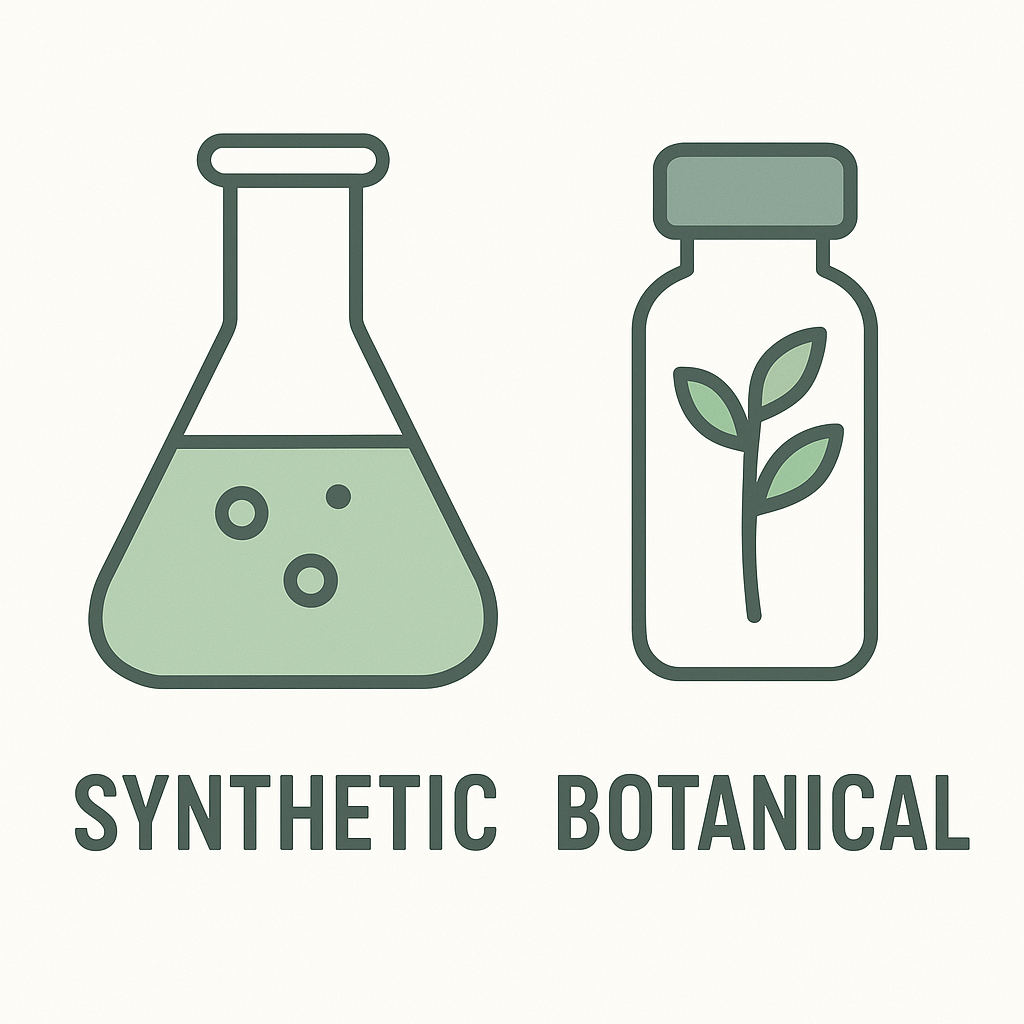
Some researchers hypothesize an “entourage effect” — that minor compounds modulate the primary drug’s action. This trial was not designed to test that hypothesis directly, but by using botanical rather than synthetic material, the investigators preserved the possibility of detecting such interactions in future analyses.
Follow our coverage of psilocybin research and policy for updates as data from trials like this one move toward peer commentary and replication.
What Are the Limitations of This Study?
Sample size stands out immediately. Crossover designs are statistically efficient, but with a small number of healthy volunteers, the study can identify trends rather than definitive effect sizes. The authors explicitly describe this work as hypothesis-generating rather than confirmatory.
Healthy volunteers also differ from clinical populations. Depression, PTSD, and other conditions under investigation in psilocybin trials may alter metabolism, baseline physiology, or subjective response. Findings from this study inform future trial design but do not directly predict how patients would respond.
Finally, the setting was highly controlled — a research facility with medical monitoring. These conditions cannot be replicated outside a clinical or approved therapeutic context, and psilocybin remains a Schedule I controlled substance under federal law. Decriminalization measures in certain cities and states do not authorize sale or unsupervised use.
Why Route of Administration Matters for Psilocybin Research
Most psilocybin depression studies and PTSD research use oral capsules containing synthetic psilocybin. Standardization makes dose-response relationships clearer, but it also flattens variables that could matter therapeutically. If sublingual delivery produces a faster, potentially less anxiety-provoking onset, trial designers might eventually prefer it for certain populations.
Conversely, faster onset could complicate dosing adjustments. Clinicians in Oregon’s regulated psilocybin services program, for example, guide participants through extended sessions; a formulation that peaks sooner might require different facilitation protocols.
This crossover trial does not answer those questions definitively. What it provides is the first head-to-head pharmacokinetic comparison of these three botanical formulations under controlled conditions — a foundational dataset other researchers can cite and build upon.
Frequently Asked Questions
What is a crossover trial in psilocybin research?
A crossover trial assigns each participant to receive multiple treatments in sequence, separated by washout periods. Because everyone experiences every condition, individual differences in metabolism or sensitivity affect all arms equally, increasing statistical power with fewer participants.
Is psilocin the same as psilocybin?
Psilocybin is a prodrug that the body converts into psilocin, the compound responsible for psychoactive effects. Administering psilocin directly bypasses this conversion step, potentially altering onset time and metabolic profile.
Does sublingual delivery make psilocybin legal?
No. Psilocybin and psilocin are both Schedule I controlled substances under federal law regardless of delivery route. This research occurred under DEA-licensed conditions unavailable to the public. Decriminalization measures in some jurisdictions reduce penalties for possession but do not authorize sale or clinical use outside approved programs.
What does “botanical formulation” mean for psilocybin trials?
Botanical formulations derive from cultivated mushroom material rather than synthetic chemistry. They may contain minor alkaloids alongside the primary active compound, which some researchers believe could influence the overall effect profile.

Can I access these formulations through Oregon’s psilocybin program?
Oregon’s regulated program permits facilitated psilocybin services using products approved by the Oregon Health Authority. The specific formulations tested in this crossover trial are research materials, not commercially available products. Protocol details for licensed service centers differ from clinical-trial conditions.
Where can I read the full study?
The trial was published in the Journal of Psychopharmacology on August 29, 2026. The PubMed listing (PMID 42668404) provides the abstract; full-text access depends on journal subscription or institutional access.
Read more from the lab notebook as additional pharmacokinetic and formulation data emerge from ongoing psilocybin clinical trials.
This article is for educational and informational purposes only and is not medical, legal, or cultivation advice. Psilocybin is a Schedule I controlled substance under federal law; decriminalization measures do not authorize sale, and this content does not encourage illegal activity.
These statements have not been evaluated by the Food and Drug Administration. This content is not intended to diagnose, treat, cure, or prevent any disease.
About the Author
Nick Delesandro — Writer — Mycology & Psychedelic Policy · 20+ years experience
Nick writes about mushroom science and the evolving law and research around psilocybin, reporting from primary sources — clinical trials, agency records, and legislation. His background is in cannabis and horticulture; his mushroom coverage is source-driven reporting, not laboratory or cultivation expertise.